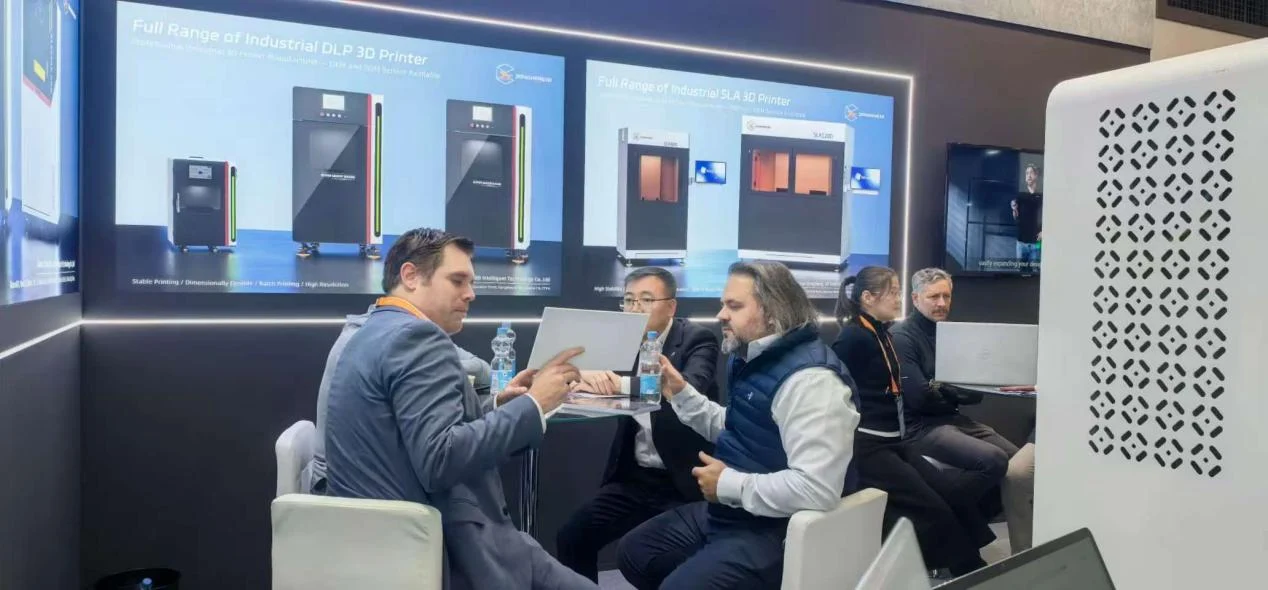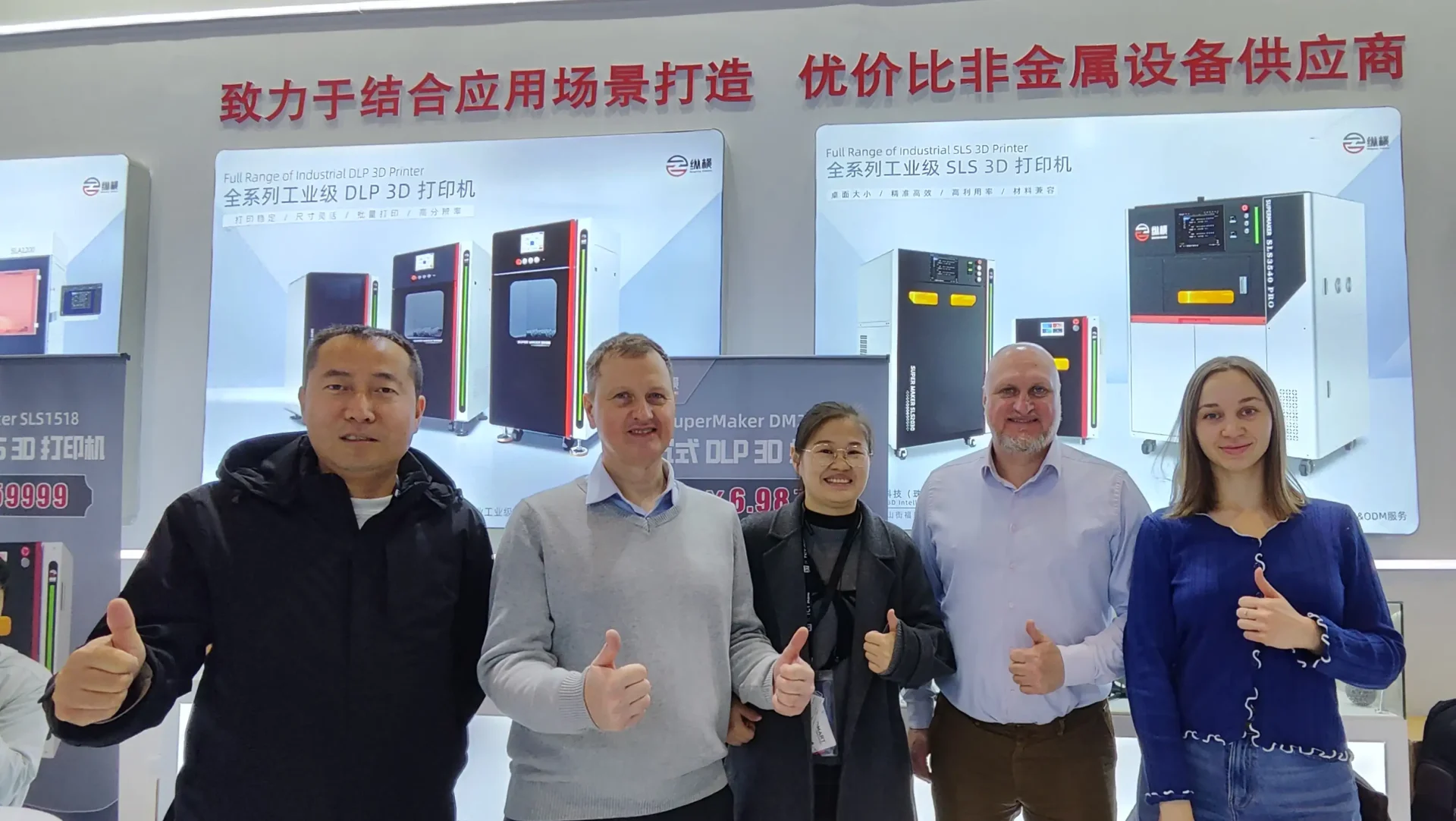
Initiating any thorough investigation on Choice-based Beam-based Bonding (Targeted Laser Bonding) methodology using modern incremental fabrication areas.
Precise Laser Fixing Targeted Powder Fusion delivers a strong additive assembling technique conceived for manufacturing complex three-dimensional units. The mentioned review examines rigorously into the key elements of SLS, discussing everything from the powders implemented—typically synthetics like nylon—to the machines execution and numerous applications. Absorbing the aspects of SLS allows technicians to attain its complete effectiveness for expedited sample making and modest-scale production. We moreover consider prevalent difficulties and emerging tendencies in this exciting realm.
Reasonably-priced SLS 3D Instruments: Allowing Powder Bed Fusion Obtainable Previously a territory limited to industrial institutions, Selective Laser Sintering (SLS) 3D creation is now reachable to a vast base resulting to the emergence of low-priced SLS appliances. These modern frameworks lower the customary barrier to entry, permitting smaller plants and researchers to take advantage of the values of powder bed fusion technology, comprising the making of intricate parts with superior mechanical traits. This shift promises a modification in built-up manufacturing landscape.Laser Fusing 3D Units: Approach and Applications
Light Melting Layered Instruments utilize this meticulous radiation aiming to fuse granular elements, typically elastomers, lamina by phase, creating intricate 3D components. The approach, termed as Directed Radiative Fusion (SLS), delivers notable benefits for creating practical samples and production components across numerous markets, comprising aeronautics, transportation, clinical, and customer merchandise. Additionally, SLS facilitates the building of spatially involved stereolithography printer designs that would be problematic to manufacture using conventional methods.Linking 3D Apparatus: Assets and Ingredients Detailed
Laser-based machines offer a uncommon procedure to constructive production. Differing from traditional 3D procedures, consolidation neglects foundational structures for projecting traits. It leads to boosted pattern latitude. Benefits involve better component qualities and cut after work.
- Widely compounds include heavy-duty metallic materials, metal composites, nickel, precious base metals, and diverse ceramic dispersed solids.
- Such mechanism applies a radiant or energy particle stream to selectively combine powdered ingredient level by course.
That Rise of Compact SLS 3D Equipment
Such sector of 3D fabrication is undergoing a meaningful transition with the rollout of desktop Selective Laser Sintering (SLS) machines. Traditionally a process reserved for high-volume setups, SLS permits the generation of advanced parts straight from polymer powder, dispensing with the requirement of structural props. This revolution, once unacceptably lavish, is shifting increasingly available to tinkerers, micro companies, and educational bodies. These smaller, more low-cost apparatus offer a change in prototype design and custom development, offering innovative options for development and building across comprehensive territories.
- Benefits of Desktop SLS:
- Complex Part Development
- Missing Support Bases
- Stock Freedom
Comparative Laser Sintering 3D Device Variants and Expenses
Electing the correct laser sintering 3D machine can be daunting, especially when assessing the current selections and their connected expenses. Standard variants frequently exist between $13,000 and $50,000, furnishing minimal build dimensions and ingredient features. Medium-range devices regularly are priced at between $35,000 and $60,000, supplying a better balance of output and amenities. Eventually, elite advanced laser sintering units can top $80,000, boasting extensive build magnitudes, modern ingredient selections, and improved speed. As a result, meticulous investigation and comparisons are fundamental before making a procurement.
Targeted Beam Fusion vs. Other Dimensional Building Techniques: The One is Right for The Requirements?
Selecting the optimal Layered fabrication procedure can be daunting, especially when considering Layered Laser Fusion. While Melt Deposition delivers elementariness and cheapness, SLS provides unmatched maneuverability in component selection and complex piece development. Contrasted with Light Curing, which leads in creating highly detailed trial versions, SLS grants the manufacture of effective finished sections with outstanding robust traits.
- Selective Laser Sintering is especially suited for complex patterns.
- Fused Deposition Modeling is regularly inexpensive.
- Photopolymerization generates exceptionally even superficial layers.
Progressive Materials for Laser Sintering 3D Printing
A expedited increase of laser sintering, a type of 3D printing, generates prompted by the increasing variety of state-of-the-art materials. Historically, confined to polymer-based substances like thermoplastics, the sector actively considers a broad collection of non-metallic materials, metal blends, and even customized mixed substances of elements. Exploration programs are intended at enhancing compound capacities, such as strength-related durability, warmth firmness, and electrical transmission, so as to facilitate the production of elaborate modules meant for demanding arenas like aerospace, life sciences, and engineered transport engineering. Moreover, continuous studies into nanomaterials and their inclusion into existing laser sintering materials suggest significant improvements in performance.
Future Trajectories in Sintering 3D Printer Innovation
Specified on the horizon way of sintering volumetric instrument {development|progress|evolution|advancement|im