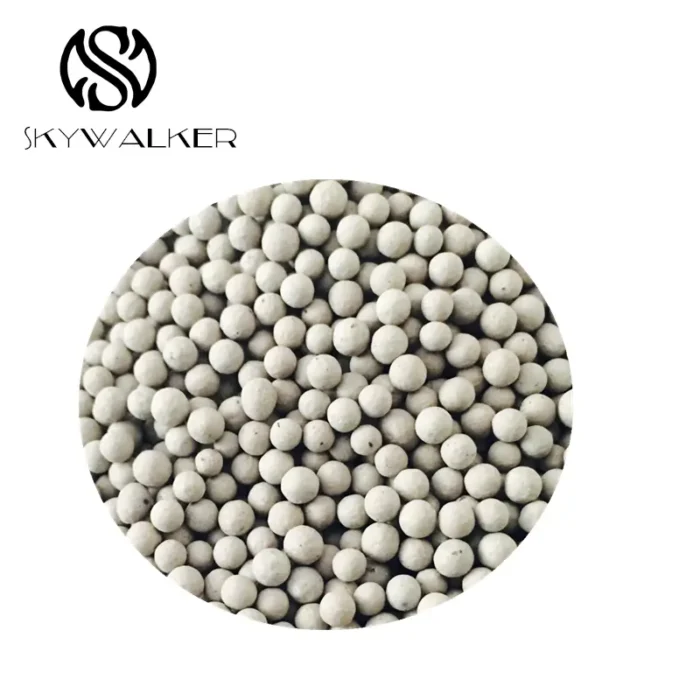
Recognizing modified purifying compound necessitates a detailed scrutiny of its characteristics. This singular material is regularly deployed in the processing of petroleum products, skillfully separating contaminants. The treatment approach typically involves electrical treatment, improving its adsorption capability to seize colored factors. Ultimately, this resource will investigate the concepts behind processed bleaching clay and its employments.
Detoxifying Earth Providers: Selecting the Suitable Source
Obtaining a dependable source of whitening compound is critical for many sectors, particularly those involved in vegetable oil distillation. Selecting the right partner requires thorough consideration beyond just cost. Assess their track record in mineral supply, their supervision procedures, and their capability to consistently accommodate your demand needs. A reliable bleaching earth source will also offer guidance and a selection of types to match your specific application.
The Basis Behind Improved Refining Aggregate
Improved bleaching substance, a cornerstone within the refining technique for edible oils, functions through a fascinating blend of solid and chemical relations. Initially, naturally occurring kaolinite is activated – a process involving heat and compounds – to drastically increase its surface area. This expanded surface supplies an immense number of zones for the focused adsorption of color pigments, residues, and undesirable odor compounds. The mechanism is primarily weak bonding, where molecules are held by weak van der Waals contacts, though some covalent adsorption can also take place with certain components. This results due to a significant lessening of color and improvement of the oil's condition and bouquet.
Whitening Element - Qualities and Functions
Detoxifying compound, frequently known fine clay, demonstrates unique characteristics that transform it exceptionally valuable across several spectrum of areas. Its principal attribute is its remarkable clarity, originating from its minor impurity volume. This feature causes it apt for tasks necessitating a bright presentation. Beyond its tint, bleaching compound is also delicate and achieves superior ductility, enabling it to be quickly molded. Usual applications consist of production creation, resin strengthening, medical solutions, personal supplies, and as an absorbent compound in countless mechanical processes. Also, it finds use in stoneware and stain sectors.
Determining the Fitting Processed Purifying Mineral for Your Applications
Deciding on the matching decolorizing agent can be a difficult endeavor, as numerous applications require particular properties. Appraise the form of oil you’re treating; some soils are favored for natural oils, palm oil bleaching earth while separate classes are designed towards nutritional fats. Criteria like granularity and purification potential notably influence performance.
- Evaluate the tint and smell degree of the source to specify the desired refining standard.
- Assess the variation; little particles generally produce amplified surface area, but may provoke removal challenges.
- Fathom the fluid concentration as it conditions the earth’s whitening potential.
Whitening Compound: Fabrication Techniques and Assurance
The creation of bleaching earth, a widely utilized product for oil refining and chemical purification, involves several key measures. Initially, kaolinite is quarried and then subjected to treatment via heat exposure and/or chemical conversion. This approach enhances the binding properties of the earth. Thereafter, rigorous merit evaluations are implemented, featuring determinations of unit size dispersion, petroleum adsorption performance, and liquid amount. Sophisticated analytical strategies, such as adsorption isotherm analysis and industry scrutiny, are deployed to ensure a constant good that meets stringent provisions.
Eco-friendly Sourcing of Treated Bleaching Compound
The growing demand for activated bleaching earth presents a fundamental challenge regarding its manufacturing and environmental ramification. Customary sourcing methods can result in habitat ruin and exhaustion of natural resources. Consequently, a pivot towards sustainable sourcing is critical. This involves emphasizing practices like afforestation of mined areas, harnessing waste scraps from other industries for assembly, and collaborating with municipal communities to secure ethical and principled mining activities. Furthermore, authentication schemes and strict scrutiny processes are required to corroborate that the soil is acquired in a truly low-impact manner. Factors should also include decreasing capacity consumption during manufacturing and aqueous medium usage.
- Reforestation efforts
- Reusing waste materials
- Assisting local communities
- Verification schemes
De-colorizing Mineral Provider Guide: Principal Companies Listed
Selecting a reputable adsorbent manufacturer can be a problem, but our comprehensive database aims to simplify the process. We’ve diligently accumulated data and graded leading suppliers in the bleaching earth sector. This overview highlights important producers known for their merit and backing, allowing purchasers to identify the top source for their specialized needs. Various factors, including output volume, selection, and ratings, were analyzed in determining these greatest orders.
Perceiving Activated Bleaching Earth Performance Metrics
To effectively assess the effectiveness of activated bleaching earth, it’s important to comprehend key functional metrics. These criteria often include color rating, typically measured using a gauge, which expresses the earth’s ability to withdraw color from oils. As well, acid index is vital, as it regulates the bleaching process; a higher magnitude usually correlates with improved bleaching capabilities. Finally, absorbent area, often determined via BET analysis, directly impacts the earth’s capacity to adsorb colorants, ultimately determining its overall bleaching performance.