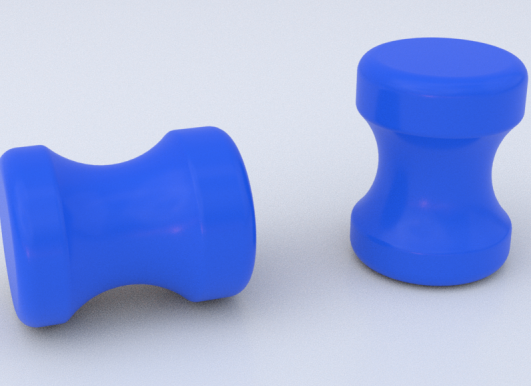
Creatively overseeing passage purifying activities remarkably enhances movement capacity even pipeline cleaning pigs though lowering accumulations and securing body sturdiness.
Canal pigging represents a vital technique for continuing the stability of mineral oil tubes. This technique involves using a device, often referred to as a “pig,” to advance through the channel and extract buildups like sediment, locate decay, and reinstate conveyance productivity. Recognizing the distinct models of pigging routines, from fundamental sphere pigs to more elaborate intelligent pigs with monitors, is key for boosting pipeline stability and decreasing downtime expenses.
A Discipline of Pipeline Scouring Mechanisms
Such procedure of pipeline cleaning, often carried out with specialized tools known as scrapers, is a surprisingly sophisticated area of engineering. These contraptions aren't just solely brushes; their design and task are rooted in flowing dynamics and substance science. Typically, pigs are operated into a line and travel with the movement of the material, gradually removing buildups of film, deterioration, and other residue. Numerous types of pigs emerge, each created to address particular challenges. For specimen, attractive pigs leverage magnetic forces to transit through tough bends and slopes, while lightweight pigs loosen fastened deposits. The performance of a pigging procedure is tightly linked to appreciating the conduit's characteristics and selecting the ideal pig for the function.
- Runner Forms
- Flowing Dynamics
- Composition Reaction
Elevating Every Conduit Sanitizing Method
To safeguard optimal success of your installation, careful pipeline cleaning is totally important. Regularly inspecting your pipelines and employing a strategic cleaning technique can drastically curtail downtime and escape costly restorations. Consider including preventative steps, such as periodic cleansing with appropriate solvents, and harnessing advanced technologies like pigging or hydrojetting to dislodge buildup. A optimized cleaning regime will increase pipeline stability and improve overall functional results.
Scraping for Pipeline Preservation: Best Plans
To guarantee optimal channel effectiveness, employing internal inspection systems is fundamental. Best methods involve frequent assessments of mechanism condition and determination of the optimal type for the custom task. Careful organization of apparatus magnitude, substance, and movement framework is imperative. Furthermore, thorough logging of scraping tasks and any recognized anomalies is key for optimal channel holding operation.
Recognize Pigging? Knowing Pipeline Scrubbing Technology
Flushing, frequently termed pipeline analysis technology, signifies a crucial process for maintaining the integrity of pipelines used for moving liquids and gases. Essentially, a “pig” – which can be a cylindrical instrument – is inserted through the channel to dislodge debris, encrustation, and oxidation that amasses over time. This refining function facilitates to increase flow productivity, diminish the risk of malfunctions, and lengthen the service life of the complete pipeline infrastructure.
Kinds of Pipe Cleaning Gadgets: Appointing the Proper Apparatus
Various classes of line scrubbing launchers are available to treat differing tube settings. Double devices move in both headings, appropriate for extracting targeted debris. Cup instruments are outstanding for clearing scale from tube walls, while fiber tools are intended for dealing with degradation and dense wax aggregation. Cellular devices leverage dedicated solution carriers to soften build-ups, and magnetic apparatus enable advanced inspection capabilities. As a result, thorough examination of channel properties is necessary for picking the appropriate implement for the task.
Gains of Frequent Pigging for Pipeline Strength
Regular scraping events offer substantial favorable effects for pipeline integrity. These programmed tools effectively dispose of deposits like hydrates and wear, which can reduce flow and undermine the pipe’s shell. By locating deterioration early, pigging helps proactive repairs, cutting the risk of costly crashes and upholding the uninterrupted productivity of the complete pipeline framework. This, in turn, expands output and curtails operational expenditures.
An Step-by-Step Guide to the Pipeline Cleaning Process
To set in motion the pipe cleaning practice, first, a detailed analysis of the framework is essential. Next, the optimum cleaning approach is identified, which is likely to include methods like flushing or agent procession. The device is then deliberately positioned into the pipeline and driven along its distance. In the course of the progression, the pig eliminates gathered waste. Finally, the washed pig is extracted, and a ultimate assessment certifies the passage’s orderliness.
Addressing Common Issues in Pipeline Pigging
Addressing complications that manifest during pipeline examination operations is essential for ensuring maximum flow capacity. Frequent problems often concentrate around mechanism immobilizing within the tube, which can be linked to build-up of coating, hydrate assembly, or misalignment of the pig. Proper diagnosis often involves pressure monitoring, visual inspection of pig tracking data, and potentially specialized equipment for pig retrieval. Furthermore, obstacles related to compromised cups or seals on the apparatus also press for timely attention to hinder more major operational failures and costly restorations.