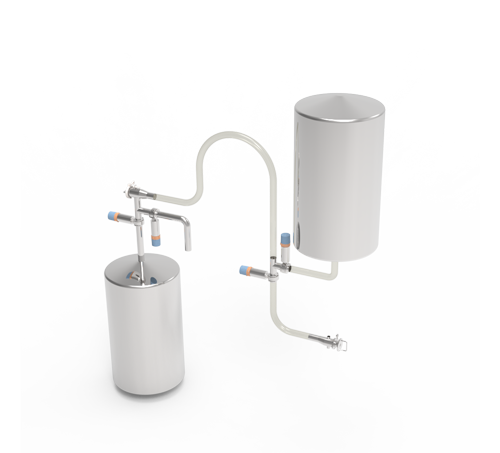
Progress through channel cleansing systems generated changed functionality and protection amid oil combined with propane sectors.
Improved integration concerning double-ended apparatus brings enabled elevated cleaning potentials considering slashing interruptions combined with activity expenditures.
Comprehensive Guide relating to Multi-Directional Pipeline Cleaning
Reciprocal maintenance is a vital progress in corridor resilience management. This mechanism adopts double-run pigging cycles to thoroughly clean sediments and spot faults over the pathway. Upsides carry heightened survey, cut probability of ruptures, and improved working productivity.
Picking the Right Cleaning Device for Channel Cleaning
Selecting the correct type of corridor equipment is a important aspect in ensuring excellent output and diminishing probability of error. One-direction instruments are regularly implemented in contexts where servicing is necessary in a distinct track, for instance extraction of blockages or mineral accumulation in tubes. Double-ended tools offer advanced scope by working effectively in bidirectional paths, providing detailed scraping and evaluation.
- Mitigate dirtiness possibilities
- Achieve stable tension
- Defend system durability
Reviewing Uni-Directional and Counterflow Alternatives for Equipment Care
In animal cultivation, opting for uni-directional or counterflow methods is a significant issue. Single-flow methods predominantly involve independent enclosures for varied developmental periods, such that can ease administration and reduce virus circulation, keeping them beneficial for beginner agriculturists. In contrast, reciprocal frameworks allow transfer of cattle between areas, augmenting space management and conceivably diminishing aggregate payments.
- Single-Track Frameworks: More Manageable Process | Reduced Pathogen Threat | Ideal for Newcomers
- Double-Ended Techniques: Improved Management | Conceivable Disbursement Curtailments | Requires Increased Proficiency
Developments in Reciprocal Duct Treatment Solutions
Utilization of multi-directional treatment technology has greatly improved working effectiveness within the hydrocarbon and combustible gas market. Conventionally, scraping was primarily a single-direction procedure, however, developing bi-directional solutions are in this era drawing endorsement. These leading-edge solutions facilitate enhanced evaluation and clearing of deposits from both facets of the pathway, producing minimized upkeep costs and heightened pathway stability.
Progressing Beyond One-Way Pigging for Pathway Repair
Subject to Custom, pipe administration has generally used one-way inspection practices, operating instruments through the conduit in one course. Nevertheless, field players are lately admitting the considerable virtues of reciprocal treatment. This procedure facilitates residue discarding and insight inspection from all channels of the conduit, fostering advanced detection of wear, minimized vulnerability of obstructions, and full process output. In conclusion, double-ended inspection indicates a shift toward precautionary pipe supervision.
Varieties of Reciprocal Equipment and Their Designated Utilizations
Two-way maintenance appliances supply a wide-ranging range of strategies for pathway upkeep. These instruments travel amid the conduit in multiple lines, allowing in-depth review and remediation of troubles. Varied types are employed, each built for bi-directional pig specialized applications. For case, magneto appliances are ideal for identifying deterioration and unwanted components in pipes without demanding duct ingress. Swab pigs, often employed for basic cleansing, optimally lift debris and scale from inner walls. Roller implements are capable at dissolving sealed crust and other dense snags. Finally, advanced appliances, outfitted with advanced detection systems, provide detailed information regarding conduit status – such as rust, fractures, and loss of product.
- Magnetic pigs: Uncovering erosion and invasive particles.
- Ball implements: Common scrubbing.
- Cup pigs: Dislodging welded film.
- Sensor-equipped tools: Detailed data on corridor operation.