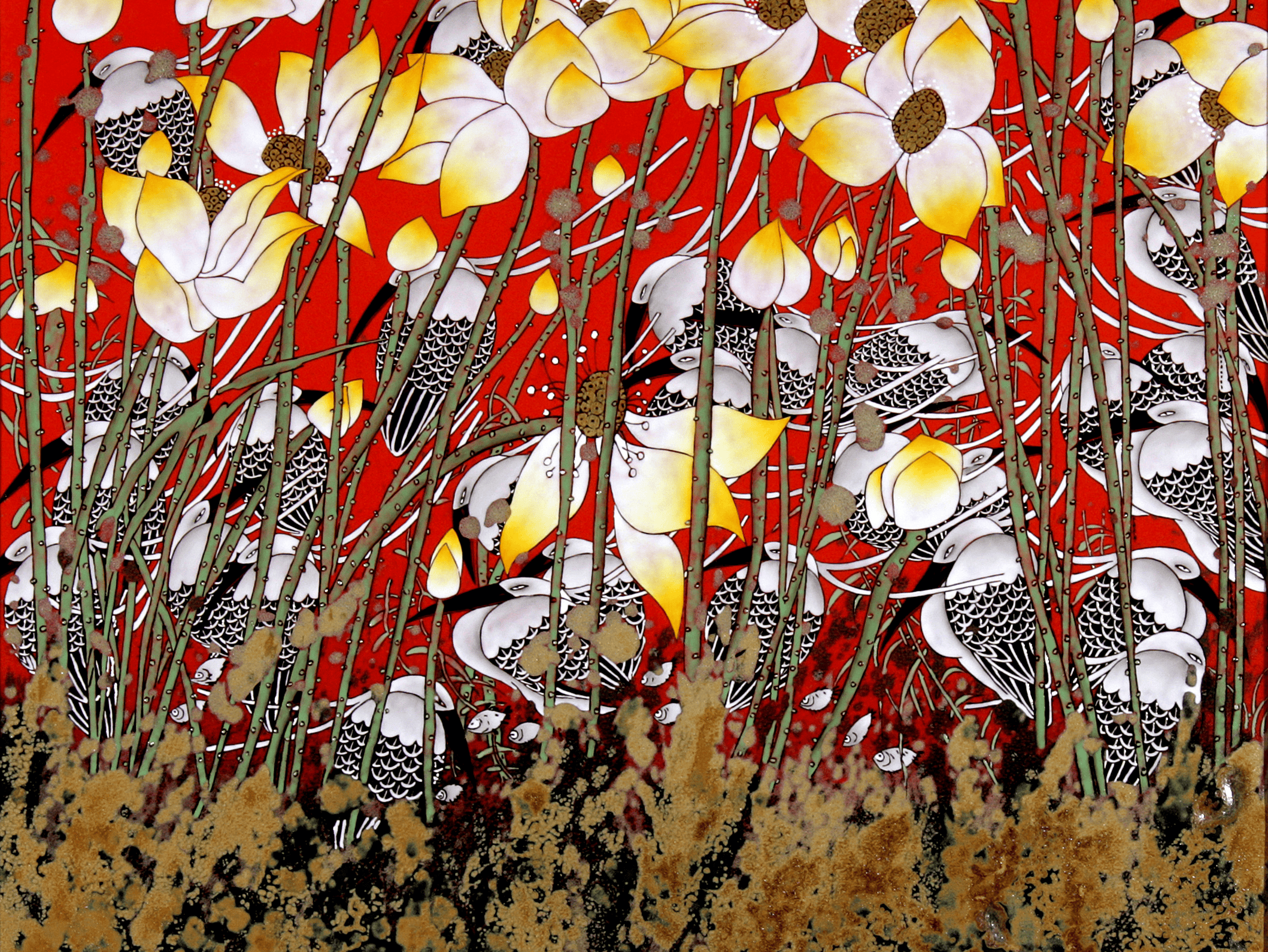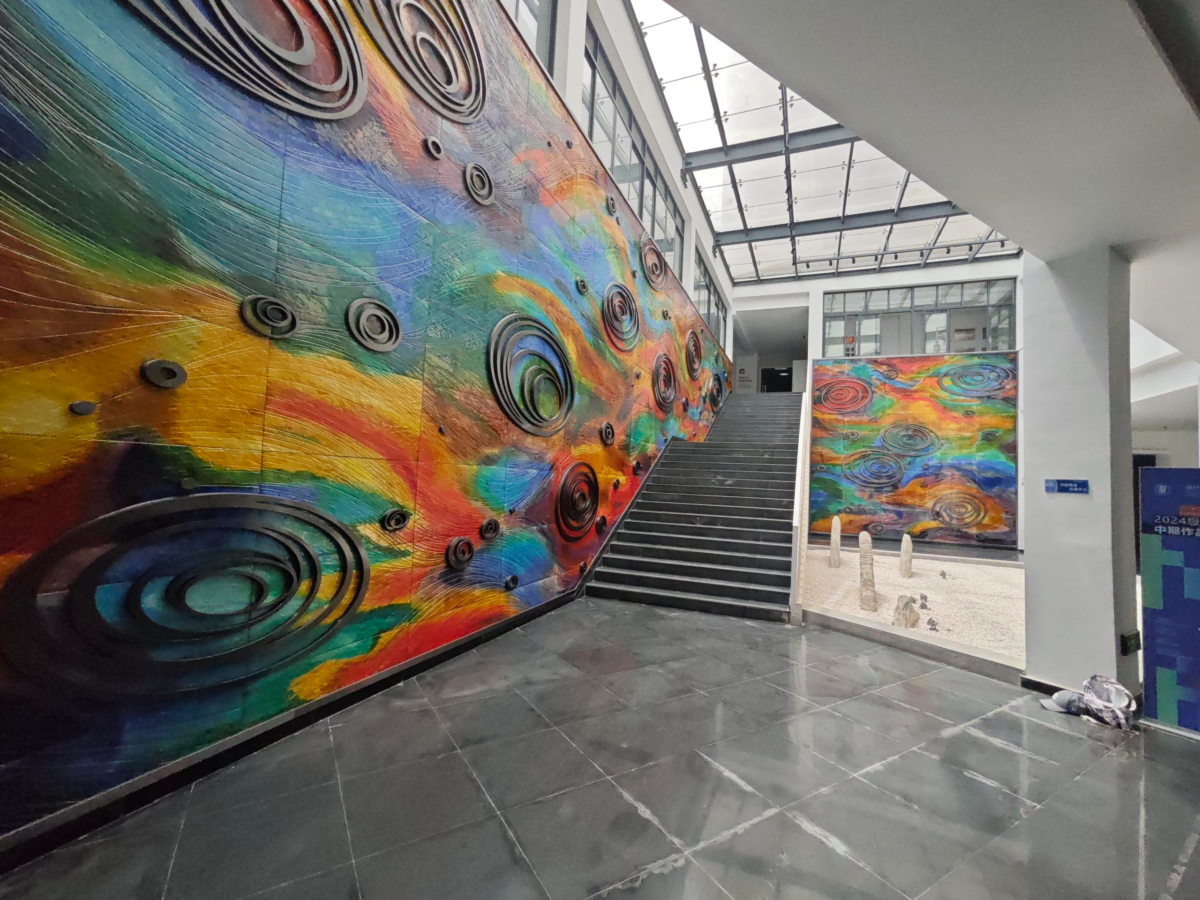
Pottery carving shows a exceptional practice form with a lengthy heritage, stretching back myriad of periods. From ancient vessels to recent showcases, the medium offers unequalled possibilities for creative performance. Creators apply distinct techniques – including fabricating, wheel spinning, and complex firing processes – to fashion humble silt into compelling three-dimensional forms. The sturdiness of fired porcelain also contributes to its status as a truly lasting part of human heritage.
Delving into Stoneware Sign Compositions and Techniques
The realm of ceramic marker design offers a extensive array of expressive possibilities. Crafters often explore a blend of classic and contemporary techniques to form visually beautiful pieces. These can cover from simple, etched reliefs to complex, multi-layered formulations. Typical methods include shape forming, sculpting by hand, the glaze process – which can involve diverse modes like primary coloration, applying decoration after firing, and etched pattern where designs are brought out by peeling off a layer of varnish. Extra examination into external finishes such as flash firing and gloss finish can generate truly remarkable and customized ceramic boards.
- Shape Forming - Making pieces using a template
- Forming by hand - Physically forming the earth
- Surface Treatment - Finishing the overlay with a glassy finish
- Scratched design - Making visible designs by excavating overlays
Captivating Experiences: Ceramic Art Expositions
The growing landscape of creativity presents exciting groundbreaking avenues for attendees, and ceramic art installations are at the cutting edge of this movement. These aren't just static figurines; they are constructed to envelop the spectator in a sensory realm. Imagine moving inside a forest of towering, textured ceramic trees, or navigating a cluster of fine ceramic vessels. Many artists are now incorporating acoustics, visuals, and even smell to enhance the impression of their work. Think about the power of a room filled with hundreds of thoughtfully ceramic works, each telling a anecdote. Usually, such installations explore themes of wilderness, the past, and society.
- Such installations blur the thresholds between work and venue.
- Participating in a ceramic art installation can be a deeply personal journey.
- Craftsmen are pushing the frontiers of what is accomplishable with clay.
One Beauty of the Pottery Vessel: Role and Configuration
The earthenware holder represents a wonderful integration of practicality and creative appeal. Historically, these pots served a basic function in keeping materials, but their advancement has transformed them into highly valued works of art. Each object showcases the know-how of the craftsman, demonstrating how configuration can be as meaningful as purpose. The meticulous shaping, the one-of-a-kind glazes, and the overall presence of a expertly-built holder can raise a space, offering both charm and a reserved reminder of the designer’s hand.
Modern Porcelain Model : Broadening Limits
Present-day terracotta model represents a fascinating shift from historical practices. Designers are dynamically advancing with new methods, challenging the divisions between creation and alternative design spheres. From considerable installations to intricate miniature pieces, such works examine themes of persona while parallelly transforming the fundamental of what porcelain can manifest. The result is a forceful sector of inventive expression.
Ceramic Plaque: Preserving History in Clay
Brick plaques offer a singular method for noting significant events and souls. Distinguished from traditional metal or stone markers, these hardwearing pieces of handiwork are formed from heated clay, creating a palpable link to the yesteryear. Generally, they showcase intricate sculptures or meticulously crafted imagery, narrating stories that might otherwise be forgotten. An technique, rooted in ancient folk, provides a captivating and durable way to Jingdezhen Ceramics commemorate our collective story.
- These particular can be set in common spaces.
- Several are now deemed historical wonders.
Terracotta Art Showcases: Altering Spaces
Terracotta art installations are arising a compelling medium for artists to transform public and private spaces. These immersive pieces frequently involve considerable clay figures that surround viewers, redirecting their appreciation of the designed environment. By infusing diverse procedures like slab forming and complex firing procedures, ceramic artists produce truly original experiences, removing the boundaries between production and environment. The upshot is often a emotional transformation that improves the aesthetic quality of the venue and encourages discussion.
Origin Lathe to Miracle: The Process of the Pottery Vessel
The journey of a earthenware receptacle from a simple lump of material to a finalized work of design is a testament to human resourcefulness. Initially, the process originates with the potter’s spinning device, where the masterful artisan shapes the revolving terracotta into a cylindrical structure. This beginning stage demands sharpness and a disciplined eye, followed by a delicate firming period. Once rough-fired, the vessel is ready for ornamentation, which may comprise glazing intricate ornaments, incising detailed pictures, or employing a diversity of coatings. The concluding treating process then transforms the object into a durable and attractive vessel, a tangible embodiment of the craftsman's imagination.
Carving with Earthenware: A Manual to Stoneware Project
Delving the sphere of earthenware expression begins with recognizing the basics of modeling with pottery. The aforementioned approach comprises thoughtfully layering and taking away components to make three-dimensional models. If you're a neophyte or a seasoned maker, trying with assorted varieties of pottery – particularly ceramic – will facilitate you explore your special manner. In conclusion, porcelain shaping is a worthwhile undertaking that connects skilled know-how with expressive presentation.