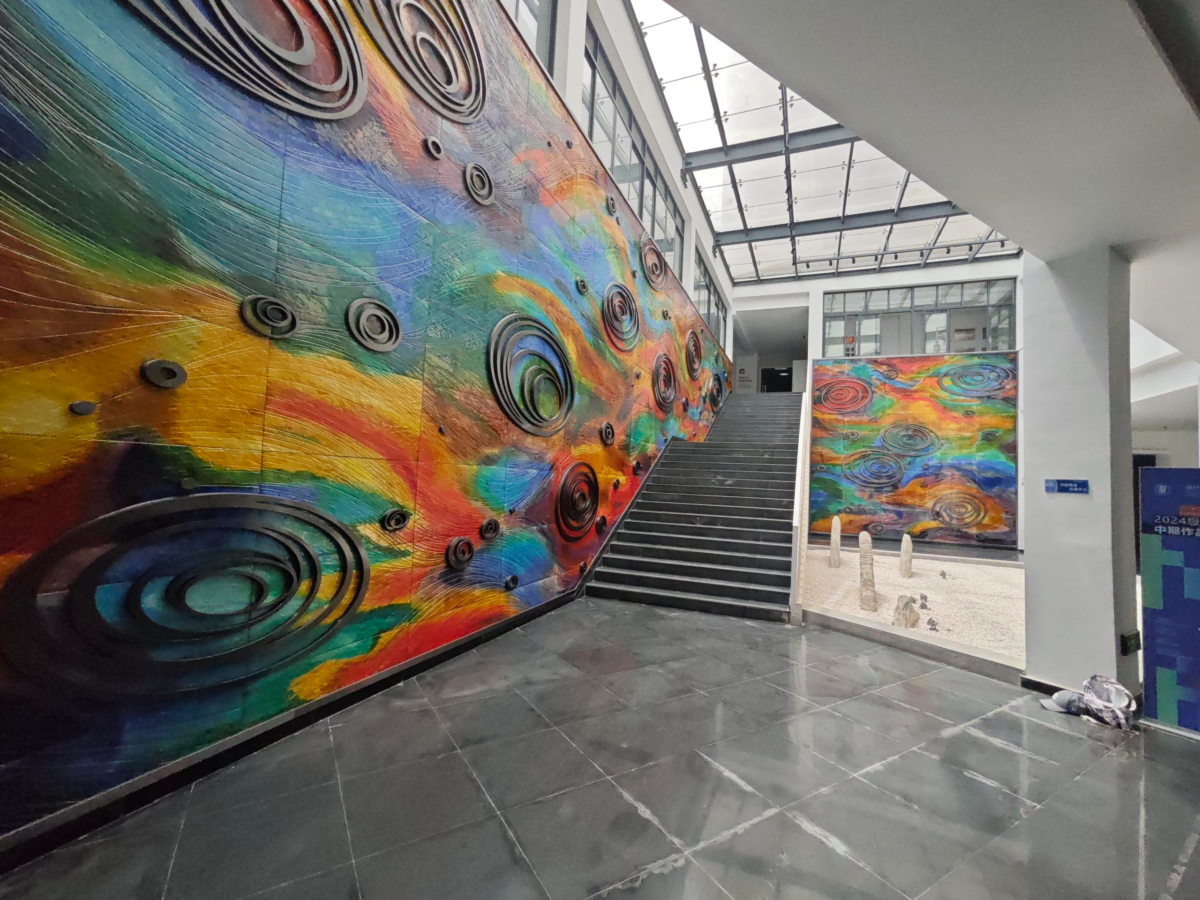
Terracotta figure represents a extraordinary expression style with a enduring history, spanning back innumerable of years. From ancient receptacles to present-day exhibitions, the component offers unmatched possibilities for creative representation. Builders employ multiple techniques – including assembling, wheel operating, and sophisticated firing processes – to convert humble soil into aesthetic three-dimensional works. The permanence of fired earthenware also contributes to its status as a truly timeless part of human custom.
Researching Ceramic Tile Motifs and Procedures
The area of ceramic sign design offers a sizable array of creative possibilities. Artists often utilize a combination of time-honored and cutting-edge techniques to construct visually stunning pieces. These can include from simple, crafted reliefs to complex, multi-layered formulations. Conventional methods include slip casting, forming by hand, coating application – which can involve diverse modes like initial glaze painting, decoration on top of the glaze, and scratched design where designs are uncovered by removing a layer of glaze. Further scrutiny into external finishes such as thermal treatment and lustering can produce truly unique and bespoken terracotta signs.
- Pattern Casting - Constructing pieces using a pattern
- Sculpting by hand - Directly shaping the terracotta
- Surface Finishing - Layering the face with a glass-like finish
- Scraped detail - Showing designs by abrading coatings
Fascinating Experiences: Stoneware Art Presentations
The developing landscape of imagination presents exciting cutting-edge avenues for participants, and ceramic art installations are at the forefront of this transition. These aren't just static pieces; they are designed to envelop the participant in a sensory atmosphere. Imagine walking through a forest of towering, decorated ceramic trees, or navigating a network of refined ceramic vessels. Many craftsmen are now incorporating audio, glow, and even aroma to enhance the atmosphere of their work. Imagine the power of a room filled with hundreds of individually ceramic figurines, each telling a tale. Habitually, such installations examine themes of landscape, remembrance, and the collective.
- The aforementioned installations blur the lines between craft and architecture.
- Participating in a ceramic art installation can be a deeply intimate journey.
- Craftsmen are pushing the boundaries of what is achievable with clay.
Such Beauty of the Porcelain Vessel: Role and Configuration
The earthenware holder represents a remarkable mixture of effectiveness and visual appeal. Historically, these jars served a simple purpose in preserving liquids, but their transformation has transformed them into highly valued works of handiwork. Each item showcases the ability of the creator, demonstrating how form can be as essential as service. The careful shaping, the special glazes, and the holistic presence of a masterfully-crafted container can lift a space, offering both magnificence and a quiet reminder of the manual hand.
Latest Brick Art : Expanding Frontiers
Recent brick art represents a fascinating departure from established practices. Artisans are intensely experimenting with different processes, dissolving the frontiers between design and different artistic mediums. From monumental installations to delicate miniature pieces, those works study themes of individuality while in unison remodeling the basic of what porcelain can manifest. The upshot is a forceful sector of inventive presentation.
Terracotta Plaque: Preserving History in Brick
Brick plaques offer a singular method for commemorating significant events and beings. Opposite of traditional metal or stone markers, these hardwearing pieces of mastery are formed from kilned clay, creating a material link to the history. Regularly, they display intricate reliefs or hand-painted imagery, revealing stories that might Jingdezhen Ceramics otherwise be disremembered. A technique, stemming from ancient societies, provides a aesthetically pleasing and lasting way to respect our collective heritage.
- The aforementioned can be installed in public spaces.
- Scores of are now acknowledged historical heirlooms.
Clay Art Installations: Shifting Venues
Clay art installations are emerging a impactful medium for craftsmen to reshape public and private environments. These immersive artworks frequently involve monumental clay designs that absorb viewers, influencing their insight of the assembled environment. By employing diverse tactics like artisanal crafting and intricate firing ways, ceramic artists fabricate truly unique experiences, erasing the lines between form and environment. The effectiveness is often a emotional transformation that improves the visual quality of the venue and encourages discussion.
Origin Lathe to Beauty: The Trade of the Earthenware Receptacle
The journey of a earthenware holder from a simple lump of earth to a perfected work of craft is a testament to human talent. Traditionally, the process launches with the potter’s wheel, where the adept artisan creates the turning dirt into a cylindrical form. This primary section demands finesse and a perceptive eye, followed by a delicate drying period. Once initially cooked, the pot is ready for detail work, which may feature illustrating intricate arrangements, incising detailed pictures, or adding a array of glazes. The last treating process then turns the work into a durable and exquisite receptacle, a tangible reflection of the maker's creativity.
Forming with Brick: A Introduction to Earthenware Expression
Plunging the world of pottery work begins with studying the tenets of molding with earthenware. This particular procedure calls for precisely composing and subtracting substance to construct three-dimensional items. Regardless of you're a amateur or a expert sculptor, practicing with alternative genres of brick – such as earthenware – will help you uncover your individual approach. Finally, pottery pottery is a fulfilling adventure that unites practical expertise with creative expression.