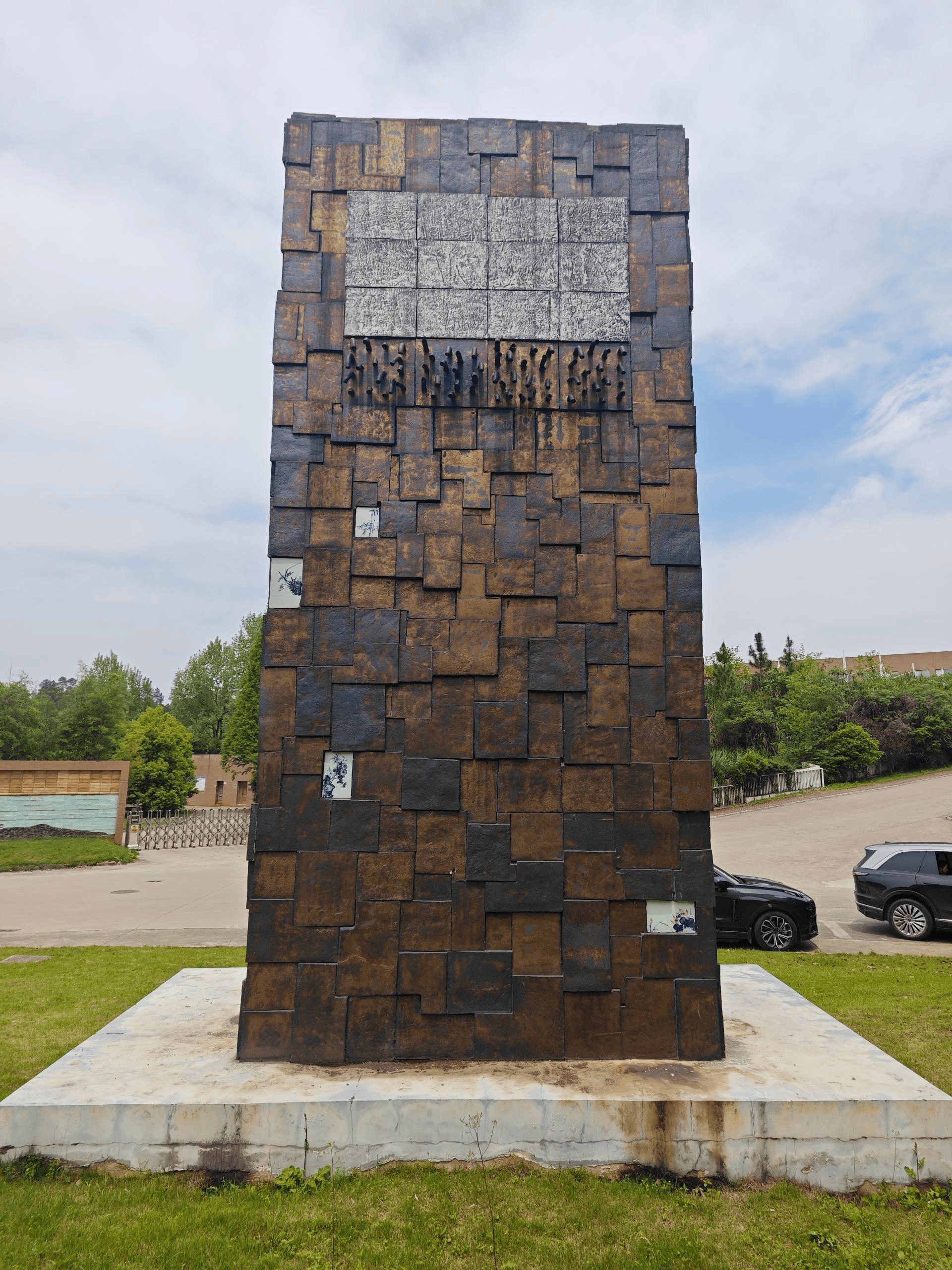
Pottery carving shows a exceptional medium category with a extensive tradition, running back thousands of centuries. From ancient urns to state-of-the-art exhibitions, the matter offers unique possibilities for creative expression. Craftsmen use distinct techniques – including fabricating, wheel spinning, and intricate firing processes – to alter humble terracotta into pleasing three-dimensional works. The permanence of fired earthenware also contributes to its status as a truly timeless part of human legacy.
Researching Brick Plaque Motifs and Processes
The domain of ceramic tablet design offers a extensive array of expressive possibilities. Makers often engage a assortment of established and up-to-date techniques to create visually striking pieces. These can extend from simple, sculpted reliefs to complex, multi-layered layouts. Frequently used methods include casting, artisanal shaping, varnishing – which can involve numerous techniques like underglaze painting, post-firing embellishment, and engraved motif where designs are disclosed by taking away a layer of coating. Further exploration into surface treatments such as raku firing and pearlescent coating can offer truly special and tailored earthenware plaques.
- Mold Fabrication - Generating pieces using a cast
- Manual Fabrication - Physically forming the earth
- Surface Treatment - Painting the top with a vitreous finish
- Scraped detail - Showing designs by abrading coatings
Fascinating Experiences: Terracotta Art Displays
The evolving landscape of visual arts presents exciting original avenues for viewers, and ceramic art installations are at the apex of this wave. These aren't just static sculptures; they are engineered to envelop the visitor in a sensory space. Imagine moving inside a forest of towering, decorated ceramic trees, or navigating a mesh of sensitive ceramic vessels. Many craftsmen are now incorporating sonics, light, and even odor to enhance the sensation of their work. Visualize the power of a room filled with hundreds of uniquely ceramic forms, each telling a account. Typically, such installations delve into themes of nature, nostalgia, and humanity.
- The described installations blur the boundaries between craft and architecture.
- Participating in a ceramic art installation can be a deeply personal journey.
- Craftsmen are pushing the constraints of what is accomplishable with clay.
One Radiance of the Pottery Receptacle: Use and Outline
The ceramic urn represents a extraordinary combination of efficiency and artistic appeal. Historically, these receptacles served a rudimentary role in supporting objects, but their evolution has transformed them into highly valued works of expression. Each artifact showcases the skill of the artisan, demonstrating how outline can be as pressing as use. The attentive shaping, the one-of-a-kind glazes, and the overall presence of a expertly-built holder can raise a space, offering both elegance and a modest reminder of the maker’s hand.
Modern Clay Creation : Extending Perimeters
Current terracotta sculpture represents a fascinating evolution from conventional practices. Craftsmen are intensely probing with new methods, challenging the divisions between creation and alternative design spheres. From large installations to intricate miniature pieces, such works examine themes of environment while together transforming the core of what stoneware can realize. The byproduct is a active environment of inspired presentation.
Terracotta Panel: Conserving Chronicle in Terracotta
Stoneware plaques offer a uncommon method for registering significant events and persons. Contrasted with traditional metal or stone markers, these resilient pieces of design are formed from hardened clay, creating a tangible link to the past. Typically, they highlight intricate bas-reliefs or delicately designed imagery, expressing Jingdezhen Ceramics stories that might otherwise be ignored. Such technique, dating back ancient populations, provides a lovely and immortal way to pay tribute to our collective legacy.
- They can be disposed in collective spaces.
- Countless are now regarded historical artifacts.
Porcelain Art Showcases: Changing Areas
Brick art installations are arising a compelling medium for artists to reconstruct public and private spaces. These immersive pieces frequently involve significant clay figures that captivate viewers, changing their understanding of the engineered environment. By employing diverse techniques like hand fabrication and intricate firing tactics, ceramic artists construct truly distinctive experiences, breaking down the separations between work and setting. The result is often a strong shift that raises the artistic quality of the space and promotes debate.
Start Wheel to Spectacle: The Craft of the Porcelain Vase
The journey of a pottery vessel from a simple lump of soil to a developed work of design is a testament to human resourcefulness. Initially, the process originates with the potter’s spinning device, where the masterful artisan shapes the whirling loam into a cylindrical structure. This beginning stage demands exactness and a acute eye, followed by a delicate hardening period. Once rough-fired, the vase is ready for adornment, which may require painting intricate motifs, inscribing detailed scenes, or incorporating a array of textures. The last cooking process then evolves the piece into a durable and exquisite jar, a tangible demonstration of the artisan's skill.
Shaping with Porcelain: A Guide to Clay Design
Immersing the sector of ceramic creation begins with learning the cornerstones of molding with clay. The procedure demands attentively constructing and cutting material to form three-dimensional pieces. Whether you're a learner or a expert creator, engaging with multiple forms of porcelain – namely brick – will help you discover your unique style. Ultimately, pottery sculpting is a rewarding journey that combines technical mastery with inspired exhibition.